What Actually Goes Into a New Roof Installation in Alton, IL — And How to Tell If You Are Getting It Done Right
What Actually Goes Into a New Roof Installation in Alton, IL — And How to Tell If You Are Getting It Done Right
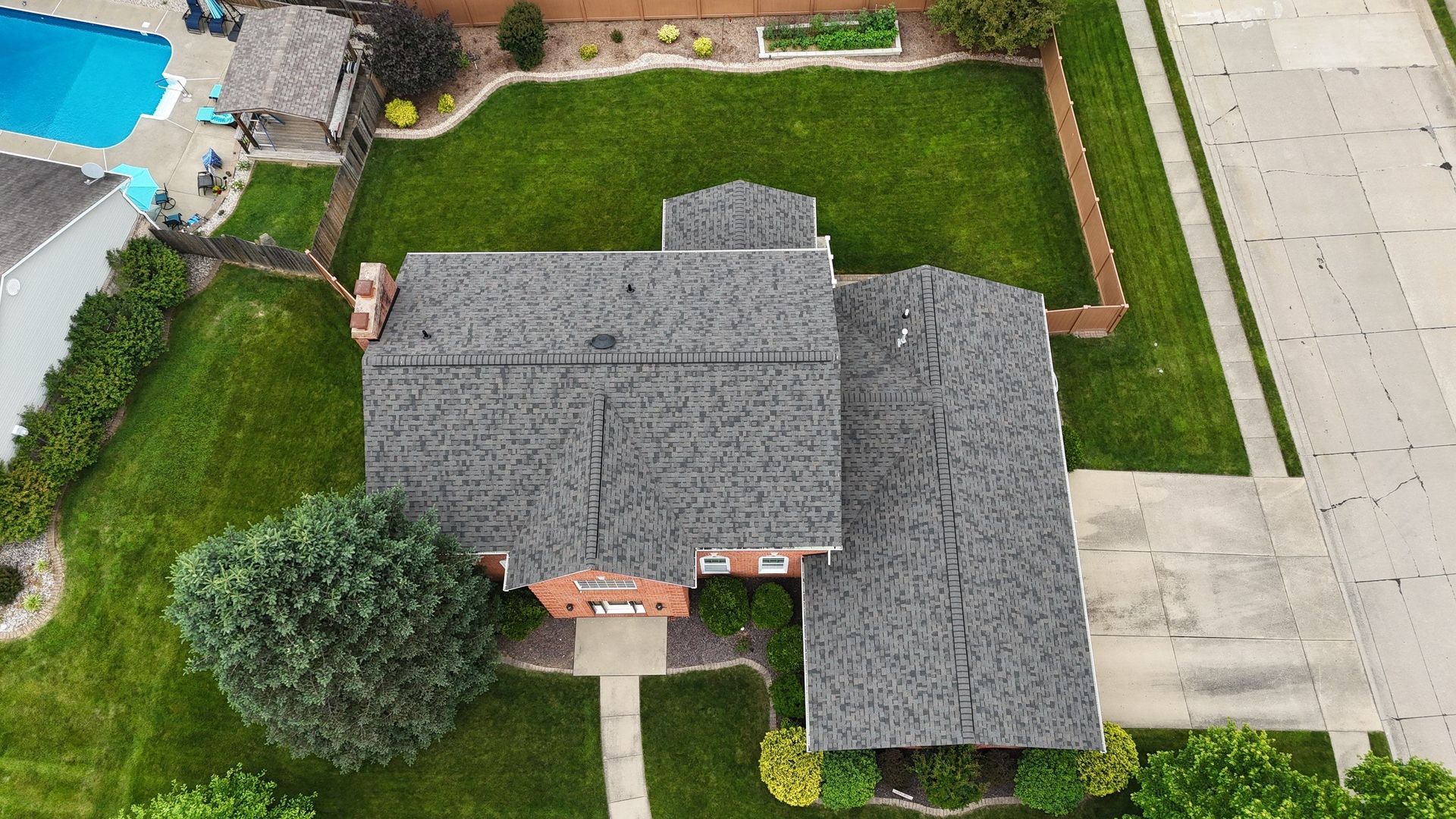
Most Alton homeowners shopping for a new roof spend the most time comparing prices and reading a handful of reviews. That is a reasonable starting point but an incomplete one. Once the job is done and the crew leaves, everything that matters most about the installation is invisible. The underlayment spec. The nailing pattern. Whether the flashing was set correctly at every chimney, pipe boot, and valley. You cannot see any of it from the driveway, which is exactly why understanding what should go into the job before you sign anything matters so much.
The Metro East gets weather that tests roofing systems in multiple directions. Winter ice events hit the Alton bluffs hard. Spring storms roll up the Mississippi River corridor with hail and wind that flat Illinois terrain does nothing to slow down. Summer humidity keeps constant pressure on sealants. A new roof installation in this climate has to be built for all of it — not just what a product brochure assumes about average conditions.
The Deck Inspection Is Not Optional
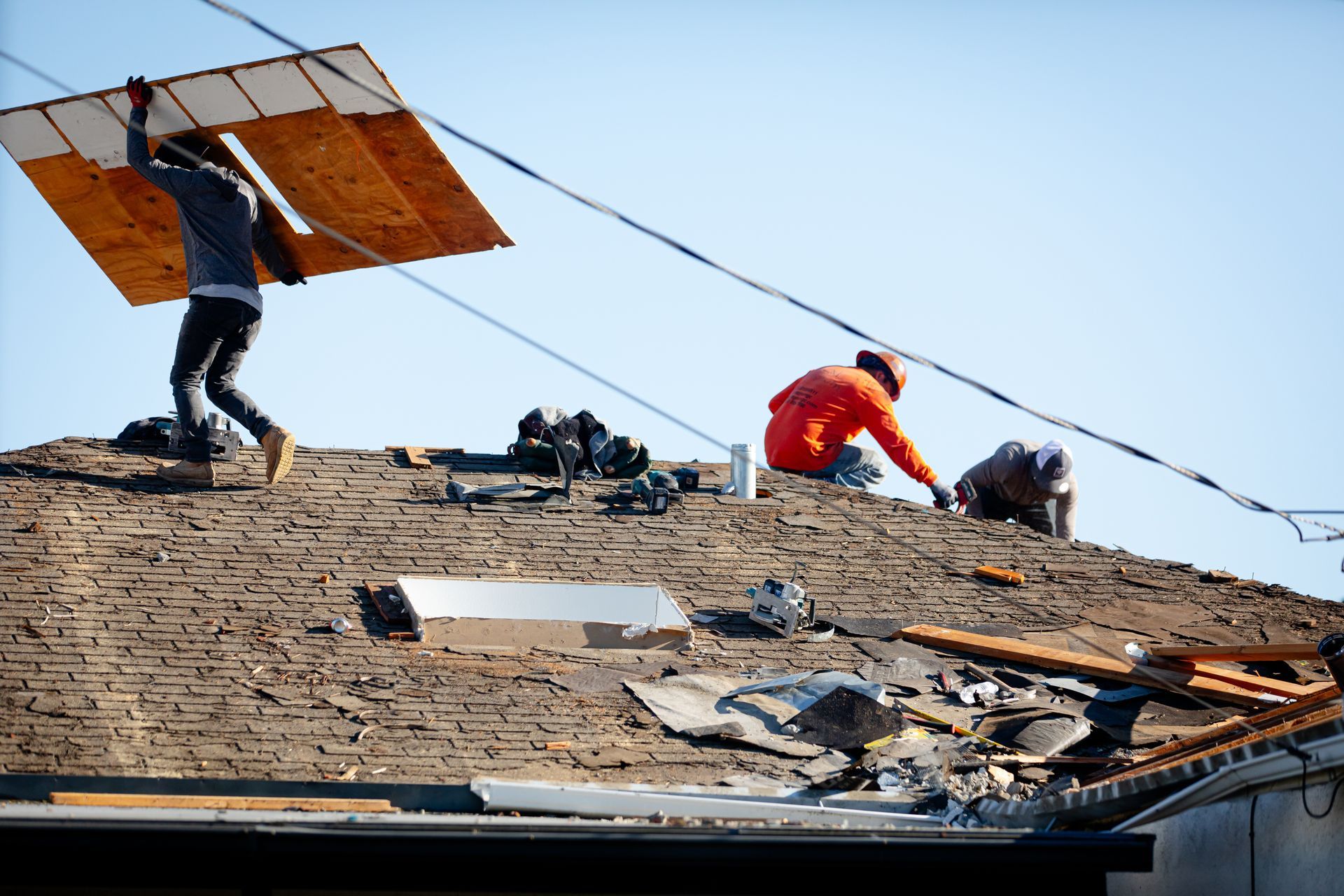
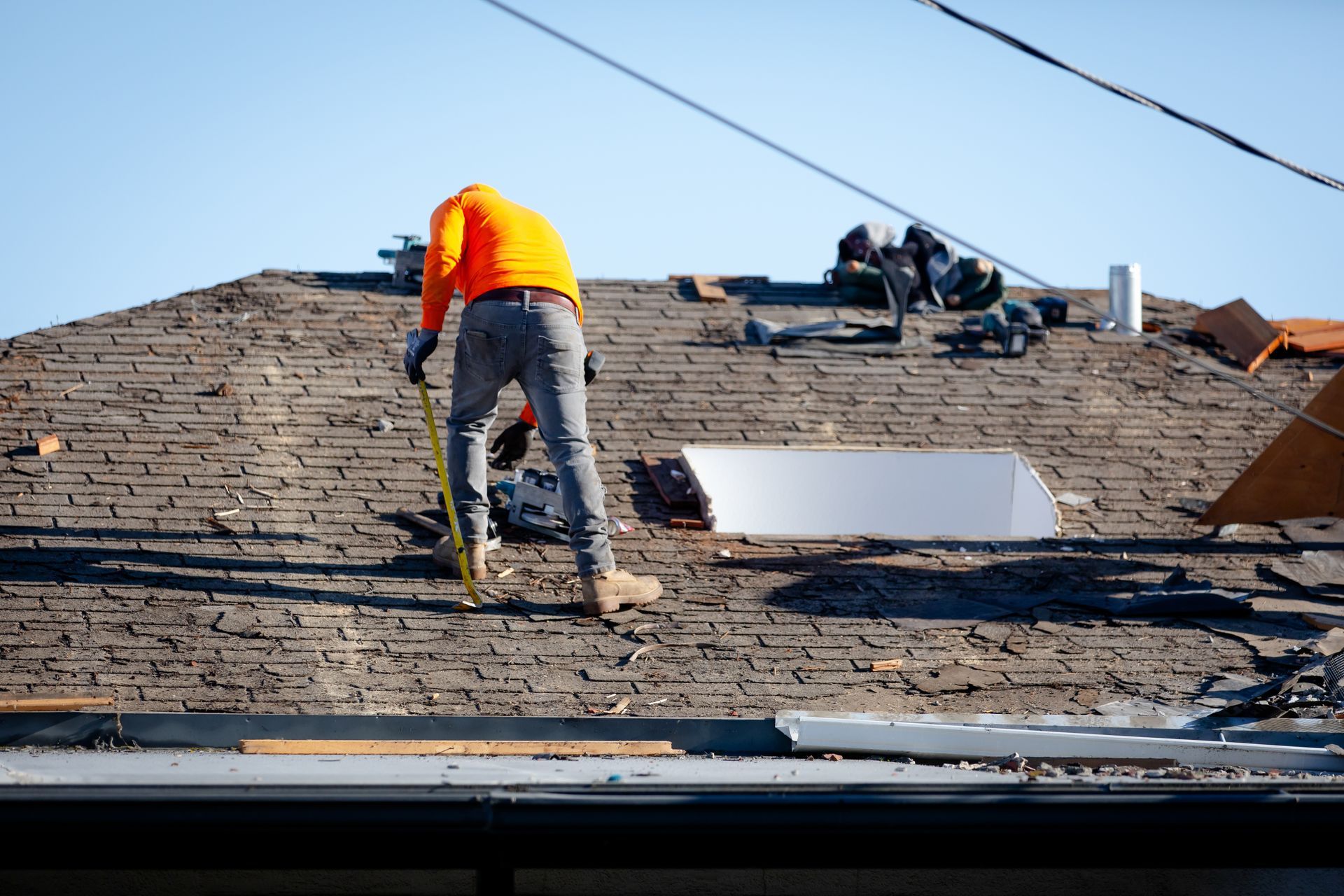
On a replacement, the real work starts with tear-off and deck inspection. Every shingle, every layer of old material comes off down to the sheathing. Then the deck gets walked section by section, looking for soft spots, rot, delamination, and any areas where prior moisture infiltration has compromised the structural substrate. This step gets compressed or skipped entirely by contractors focused on square footage per day rather than what the new roof is actually being installed on top of.
A deck problem found at installation costs a fraction of what the same problem costs when it surfaces two years later through a failed roof section. Xpert Xteriors treats the deck inspection as a required step, not a formality. If something is found, it gets documented and shown to the homeowner before any additional work proceeds.
Underlayment: The Layer That Does the Real Work When Shingles Fail
Underlayment is the moisture barrier installed directly over the deck before shingles go on. It is the secondary line of defense when the layer above it is compromised. In Alton's climate, that secondary defense earns its keep regularly. Ice damming in winter pushes water back under shingles at the eave. Wind-driven rain during Metro East storms gets behind damaged shingles. Without proper underlayment beneath, both events go straight to the deck.
Synthetic underlayment has replaced felt paper for good reason. It is lighter, more tear-resistant during installation, and provides better moisture resistance during the window between underlayment installation and shingle application. Ice and water shield, a self-adhering membrane, is required at eaves and valleys where ice damming and concentrated water flow make standard underlayment insufficient. These are not upgrade options. They are baseline requirements for any installation in this part of Illinois that is going to hold up through winter.
Which Shingles Actually Hold Up in the Metro East
Asphalt shingles dominate residential roofing throughout the Metro East for practical reasons. They handle the temperature swings from below zero in January to the high nineties in August. They are available in impact-resistant grades that matter in a hail-exposed market. And they sit at a price point that works for most residential budgets. Within that category though, the differences are significant and worth understanding before committing.
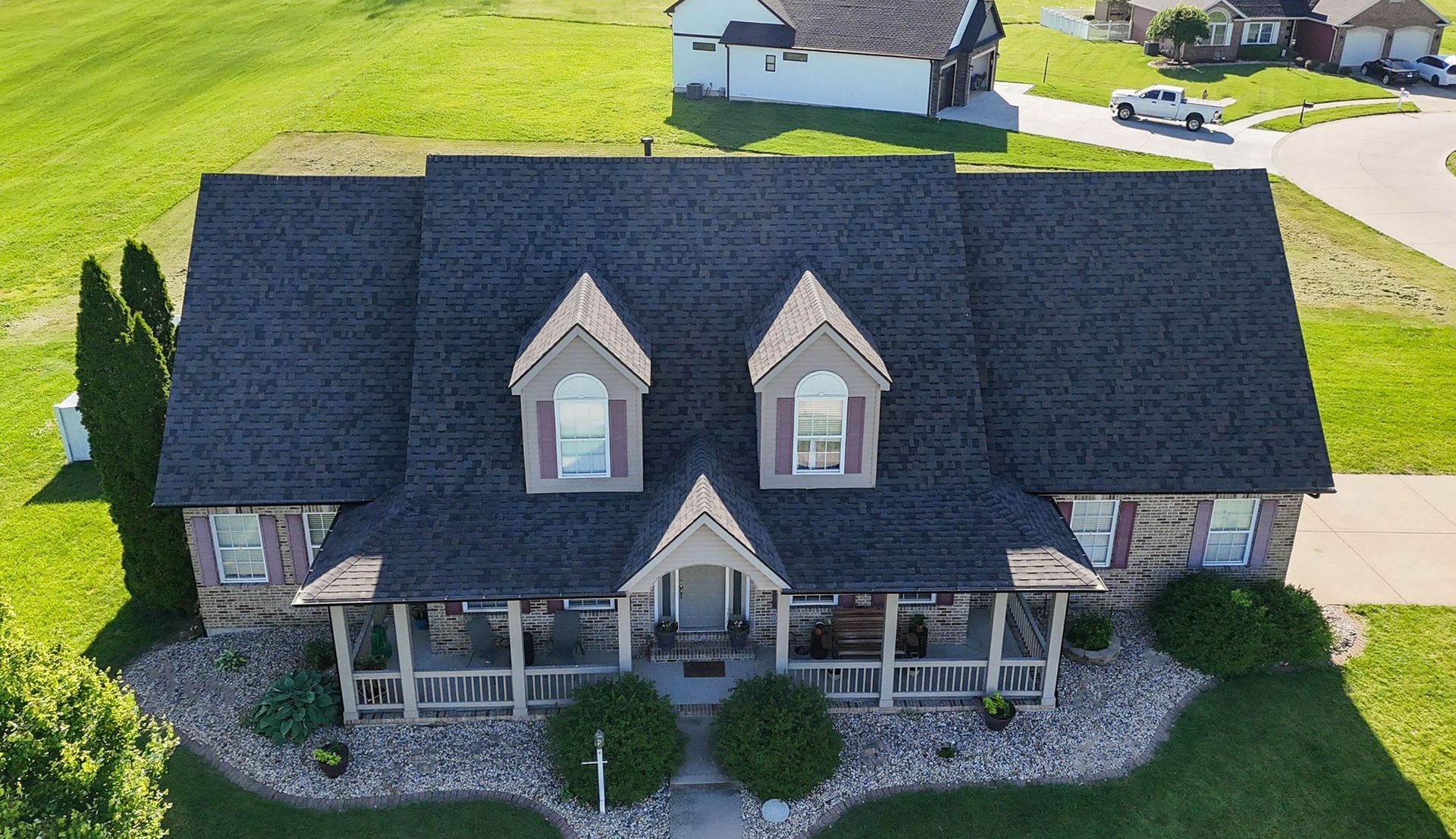
Three-tab shingles are still offered by some contractors because they are the cheapest option. They carry the least wind resistance, the shortest rated lifespan, and look dated against dimensional products. Architectural shingles are the correct starting point for any Alton home. Better wind resistance ratings, longer manufacturer warranties, and a layered profile that handles Illinois thermal expansion and contraction year after year. The cost difference over three-tab is real but not dramatic. The performance difference over a decade is.
Impact-resistant shingles rated Class 3 or Class 4 are worth a real conversation for Madison County homeowners. Hail events here are frequent enough that the additional cost often makes financial sense when weighed against the accelerated wear standard shingles show after repeated impacts. Some Illinois carriers offer premium discounts for Class 4 installations. That is worth checking before material selection is finalized. For homeowners who want to move beyond asphalt entirely, metal roofing handles hail impact, sheds snow load more effectively, and carries lifespans that far outlast multiple asphalt replacement cycles.
Flashing: Where Most Roof Failures Start
Flashing is the metal installed at every point where the roof surface meets a vertical surface or changes plane: chimney bases, pipe boots, dormer walls, valleys, and any wall the roof abuts. These are the transition points where water concentrates and where installation shortcuts show up first. A chimney flashing that relies on caulk alone instead of properly integrated step flashing and counter flashing embedded in masonry is a repair waiting to happen. The caulk fails. The flashing beneath it needs to be right from day one.
Pipe boots, the rubber or lead collars sealing plumbing penetrations, have a finite lifespan that is often shorter than the surrounding shingles. A new installation is the right time to replace them regardless of current appearance, because doing it later means cutting into new shingles to reach them.
Ventilation and Why It Affects How Long Shingles Last
Illinois attics in summer accumulate heat that bakes shingles from below while UV hits them from above simultaneously. Shingles installed over an inadequate ventilation system age faster than their rated lifespan, sometimes significantly. Granule loss, curling, and blistering on a roof that still has years of rated life left is usually partly a ventilation story. Proper ventilation requires balanced intake at the soffit and exhaust at the ridge. The two sides have to be proportional. A ridge vent with blocked soffits does nothing useful. Xpert Xteriors evaluates the existing ventilation setup on every new installation and addresses gaps before the new roof goes on.
Why Alton Homeowners Choose Xpert Xteriors
Xpert Xteriors is based in Fairmont City and serves the full Metro East and St. Louis region. The team works Madison County regularly and understands what the river corridor climate actually does to roofing systems over time. 24/7 emergency service is available for urgent situations. Financing options through EnerBank cover installations across multiple payment plan structures. Free estimates cover material options, deck condition, ventilation assessment, and a clear installation timeline before any commitment is made.
Schedule Your Free Roofing Estimate in Alton
If you are planning a new roof installation in Alton and want to understand what should go into it before talking to contractors, contact Xpert Xteriors for a free inspection and estimate. The team walks through every material and installation decision with you before anything is signed. Call 618-900-8109 or reach out online.
Frequently Asked Questions From Alton Homeowners Planning a Roof Installation
What is the difference between architectural and three-tab shingles?
Architectural shingles use a layered laminate construction that gives them a dimensional profile, better wind resistance ratings, and longer manufacturer warranties than flat three-tab shingles. For most Alton homes, architectural shingles are the correct baseline. Three-tab shingles are cheaper upfront but underperform significantly over a ten to fifteen year horizon in the Metro East climate.
Do I need ice and water shield for a roof installation in Alton?
Yes. Ice and water shield is a self-adhering membrane required at eaves and valleys in climates where ice damming occurs. Alton winters produce the conditions that make it necessary. An installation without it in this climate is leaving a significant vulnerability in place from day one, regardless of how good the shingles above it are.
How long does a new roof installation take in Alton?
Most residential installations in the Alton area are completed in one to two days. Larger or more complex rooflines may take an additional day. Weather delays are possible during Metro East storm season. Xpert Xteriors provides a clear schedule before work begins.
What happens if decking damage is found during tear-off?
Xpert Xteriors documents any decking issues found during tear-off and walks the homeowner through the findings before additional work proceeds. Nothing is added to the project scope without explicit approval. Decking replacement is priced per section so the homeowner knows exactly what the additional cost covers.
Does Xpert Xteriors offer financing for roof installations?
Yes. EnerBank financing is available for qualifying roof installation projects in Alton and throughout the Metro East. Multiple plan options are available depending on preferred timeline and monthly payment. Ask about current terms during the free estim
Is impact-resistant roofing worth the extra cost in Madison County?
For most Alton homeowners, yes. Madison County sees hail events with enough regularity that the additional cost of Class 3 or Class 4 impact-resistant shingles is offset by reduced wear and potential insurance premium savings. Some Illinois carriers offer meaningful discounts for Class 4 installations. Check your policy before finalizing material selection.